






How to Plan a Safer Commercial Playground
Why Planning Comes Before Products
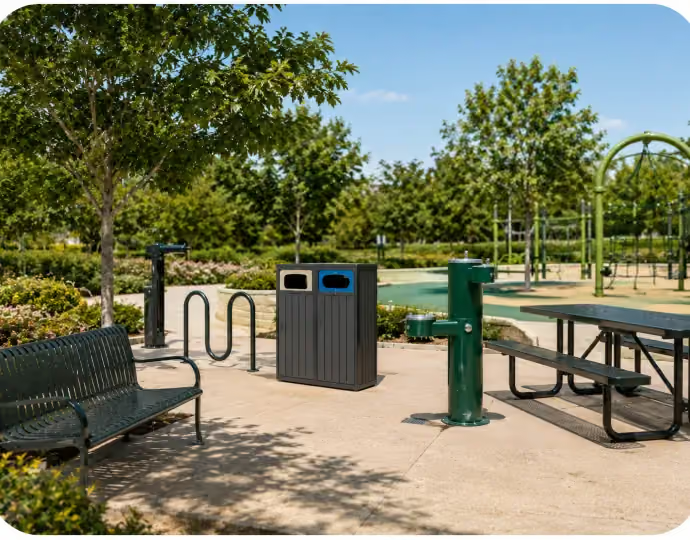
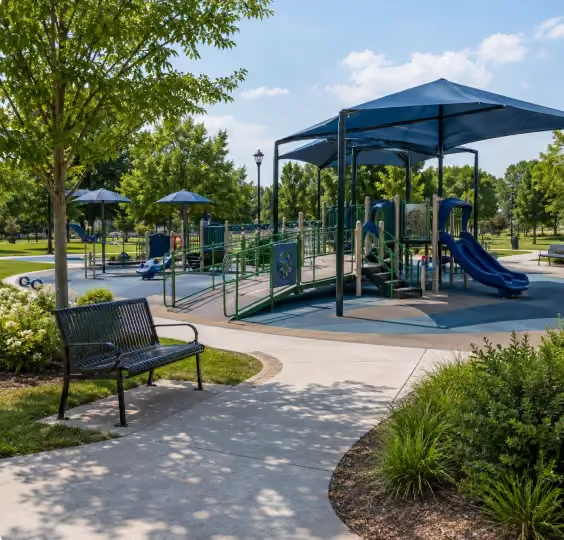
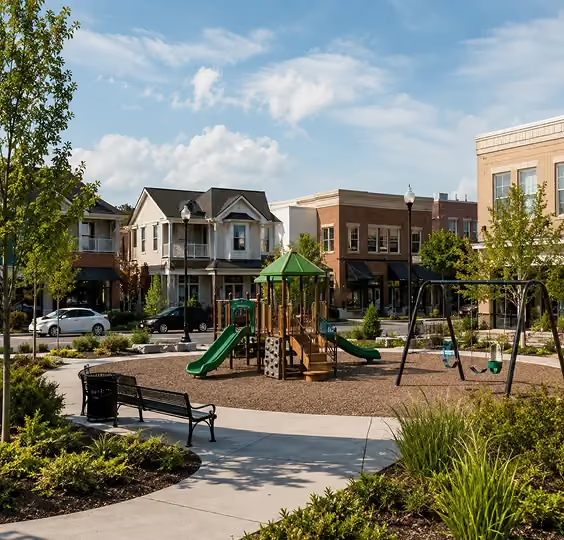
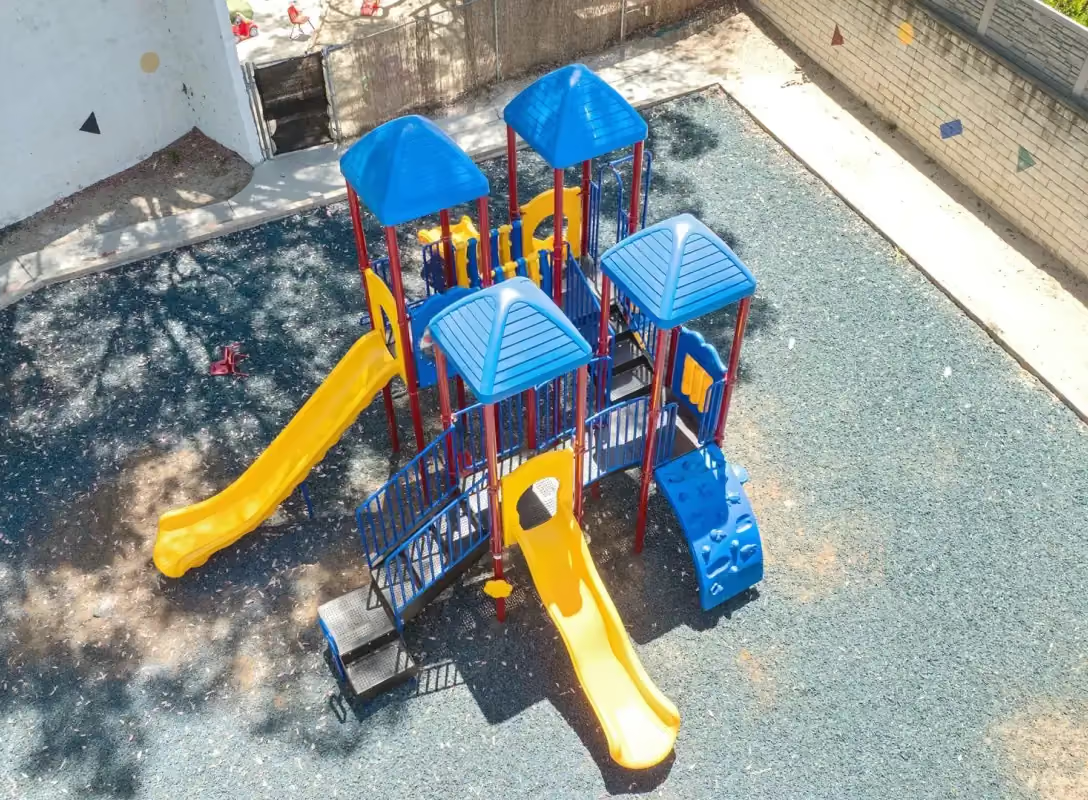
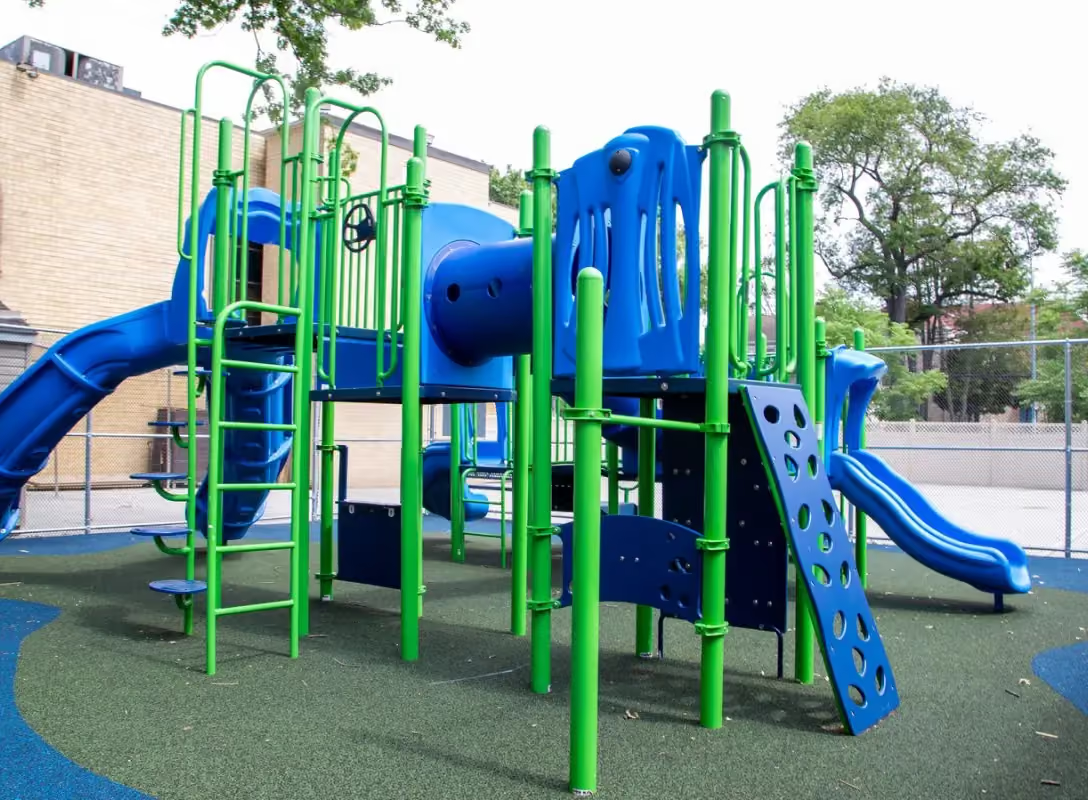
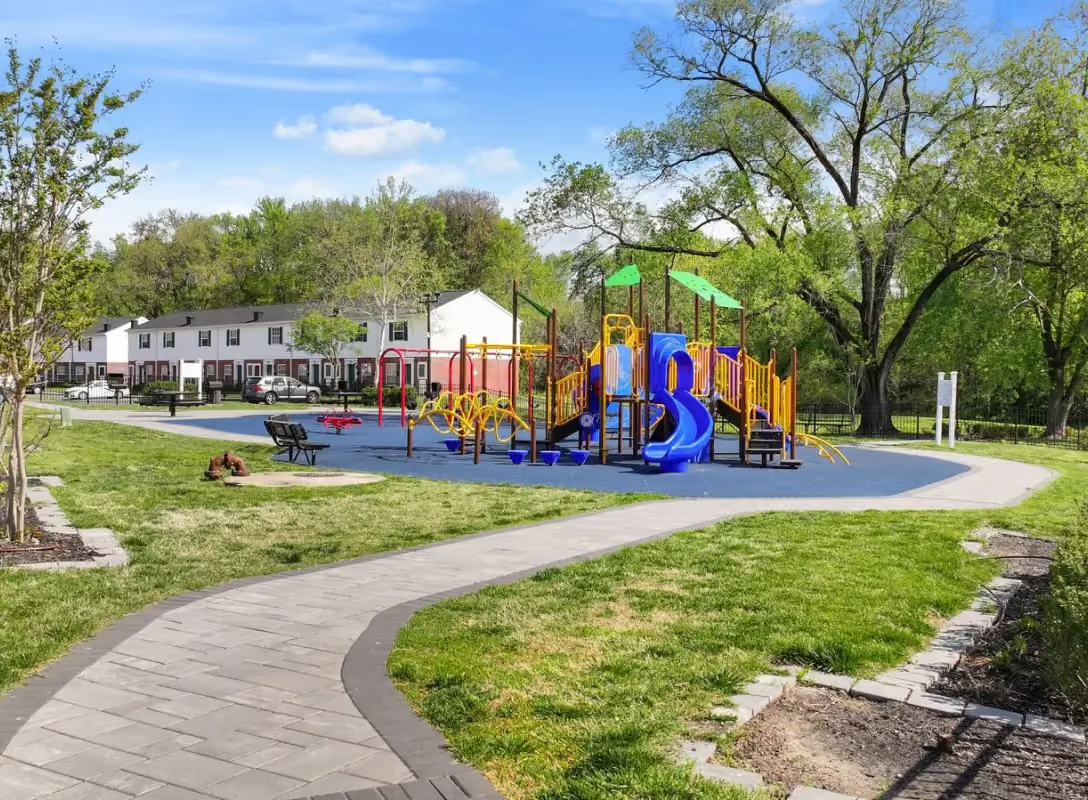
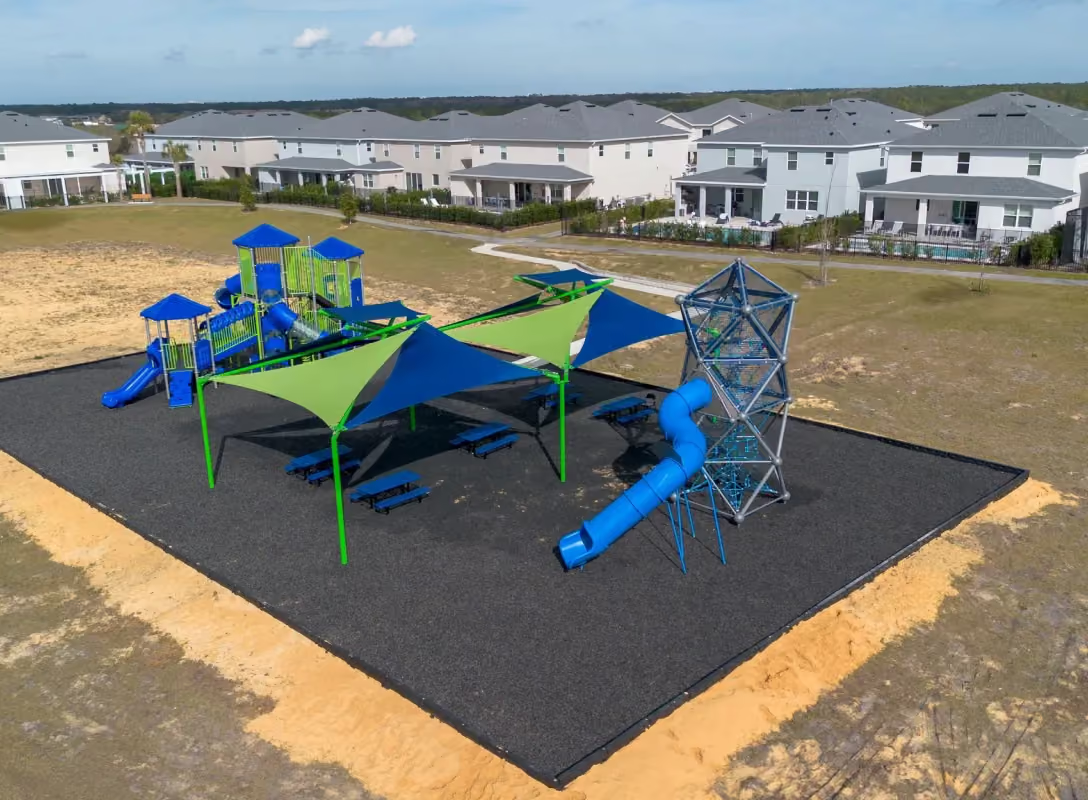
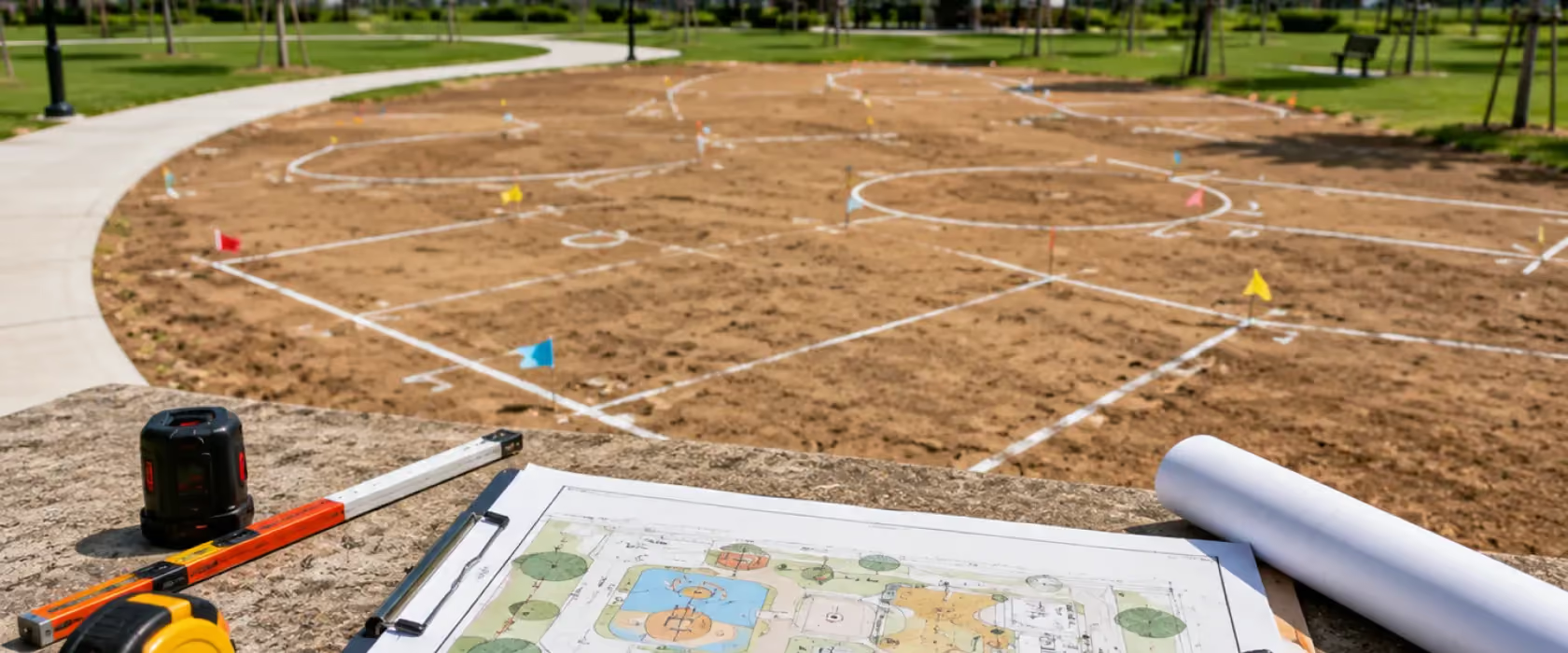
The safest playgrounds are never an accident. Long before swings, climbers, or slides get specified, the real safety work happens on paper and on-site — mapping how children of different ages will move through the space, where parents and caregivers will stand to supervise, and how equipment zones interact with walkways, seating, and shade. Skip this step and even beautifully engineered equipment can end up crowded together, poorly sequenced by age group, or positioned where sightlines break down exactly where supervision matters most. Commercial playground planning is really risk management wearing a friendlier hat, and it pays off in fewer change orders, fewer surprises during permitting, and a finished space that families trust from day one.
Reading the Site Before You Design
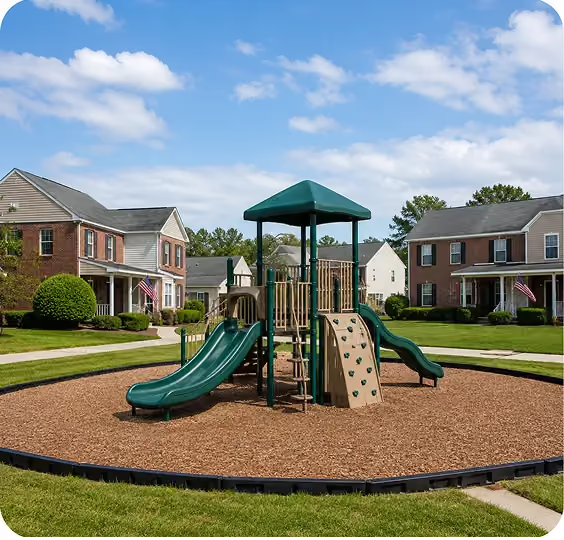
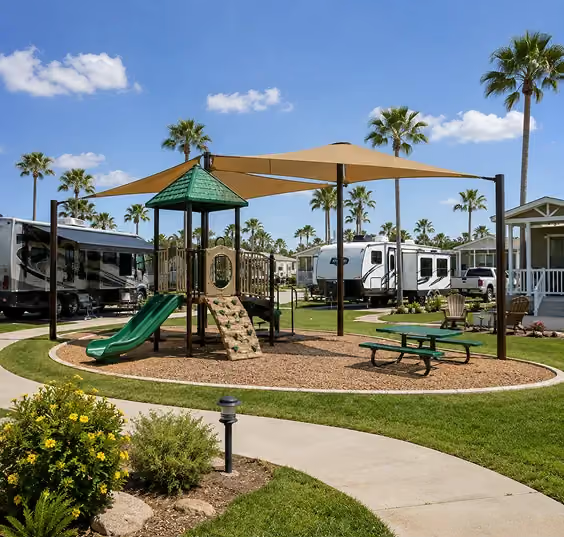
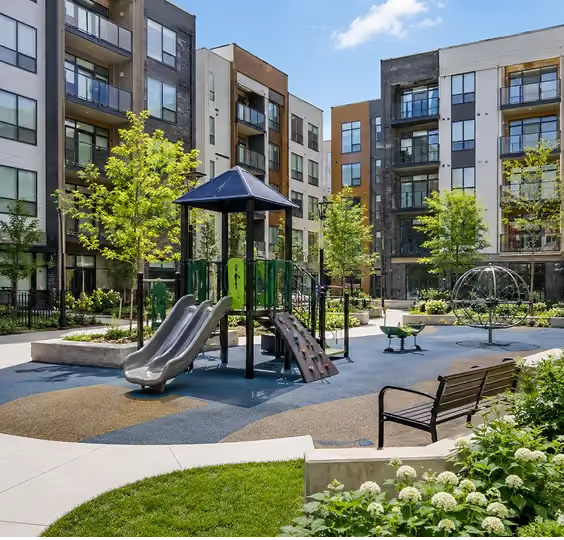
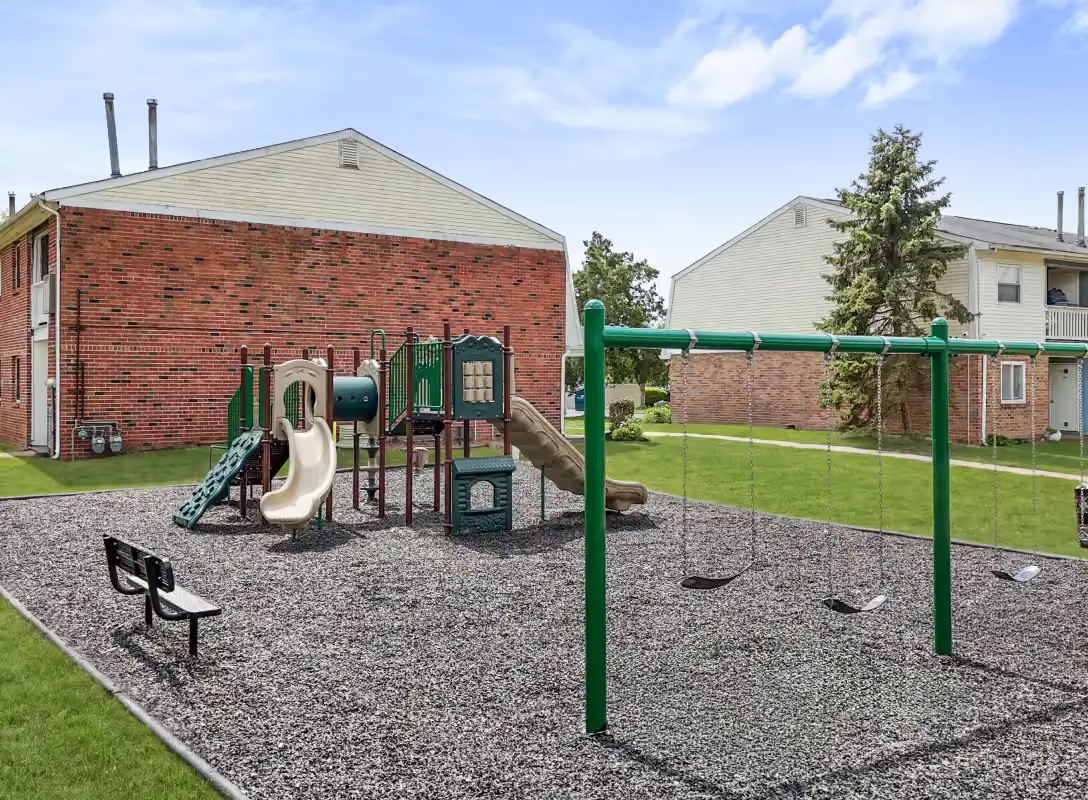
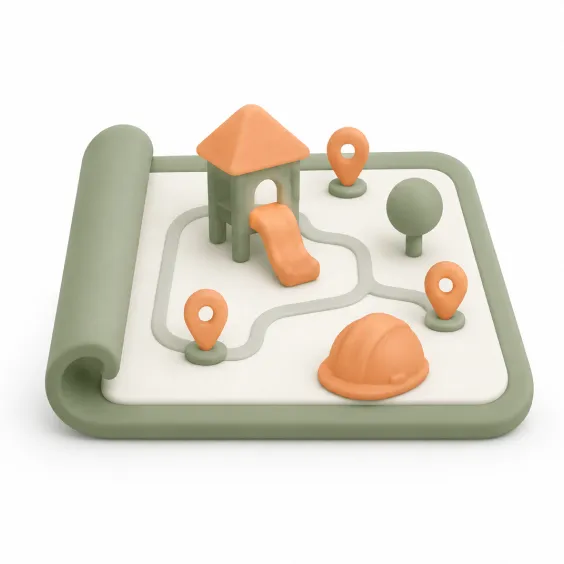
Every property tells you something before a single post gets driven into the ground. Slope and drainage determine where surfacing will hold up and where standing water will eventually become a liability. Sun exposure shapes where shade structures need to go and which materials will stay comfortable to the touch in July. Existing trees, utility lines, and accessible routes to parking or building entrances all narrow down where a playground can realistically live — and where it shouldn't. At Proscapes, this site read happens early, alongside conversations about who will actually use the space: toddlers and school-age kids together, an apartment community with dogs and adults nearby, or a resort where play is one amenity among several. That context changes the plan as much as the site survey does.
Building Safety Into Every Zone
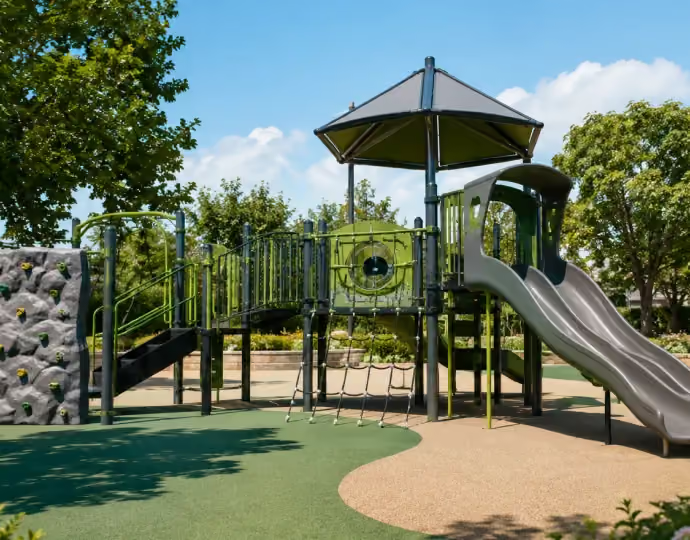
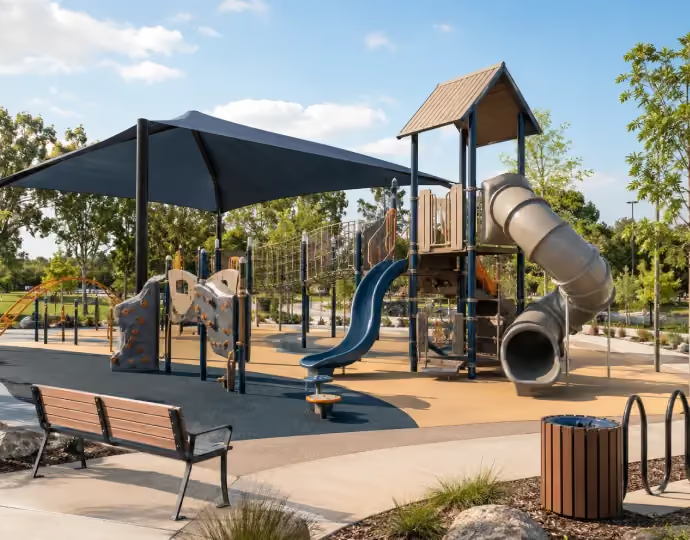
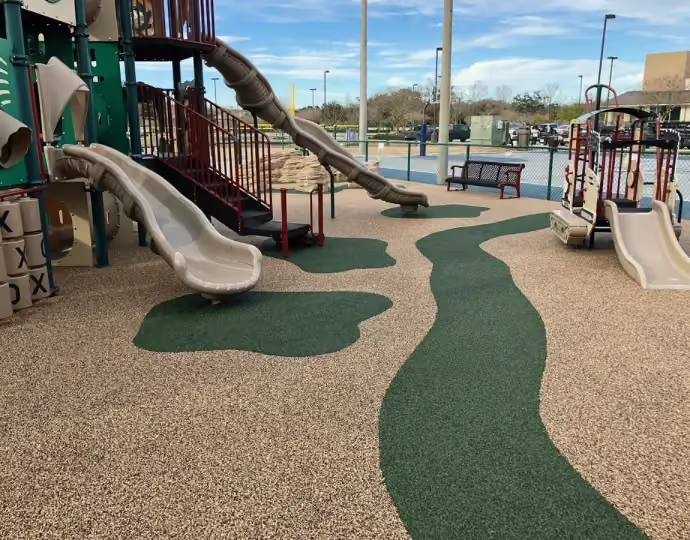
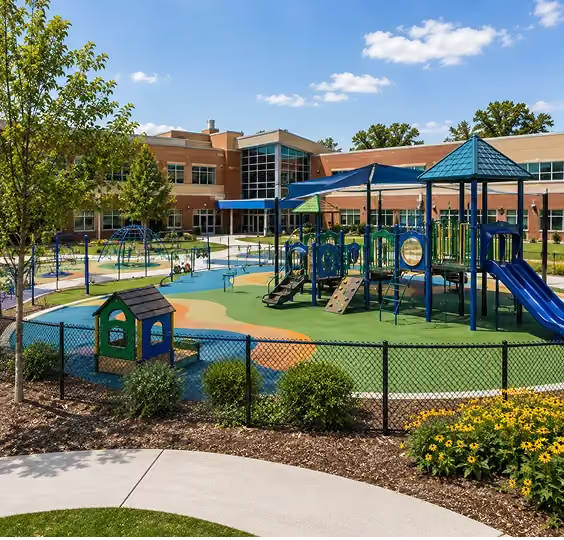
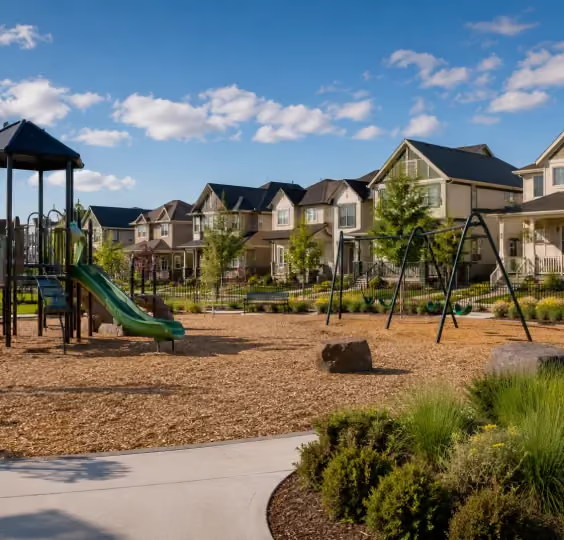
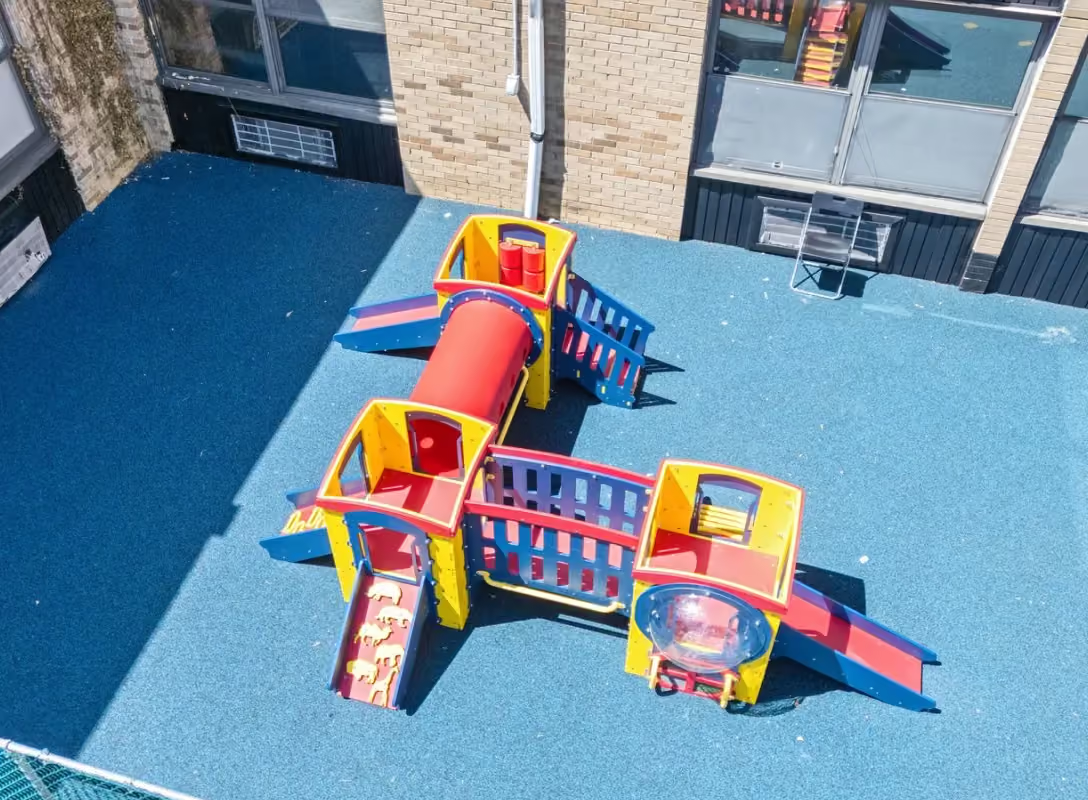
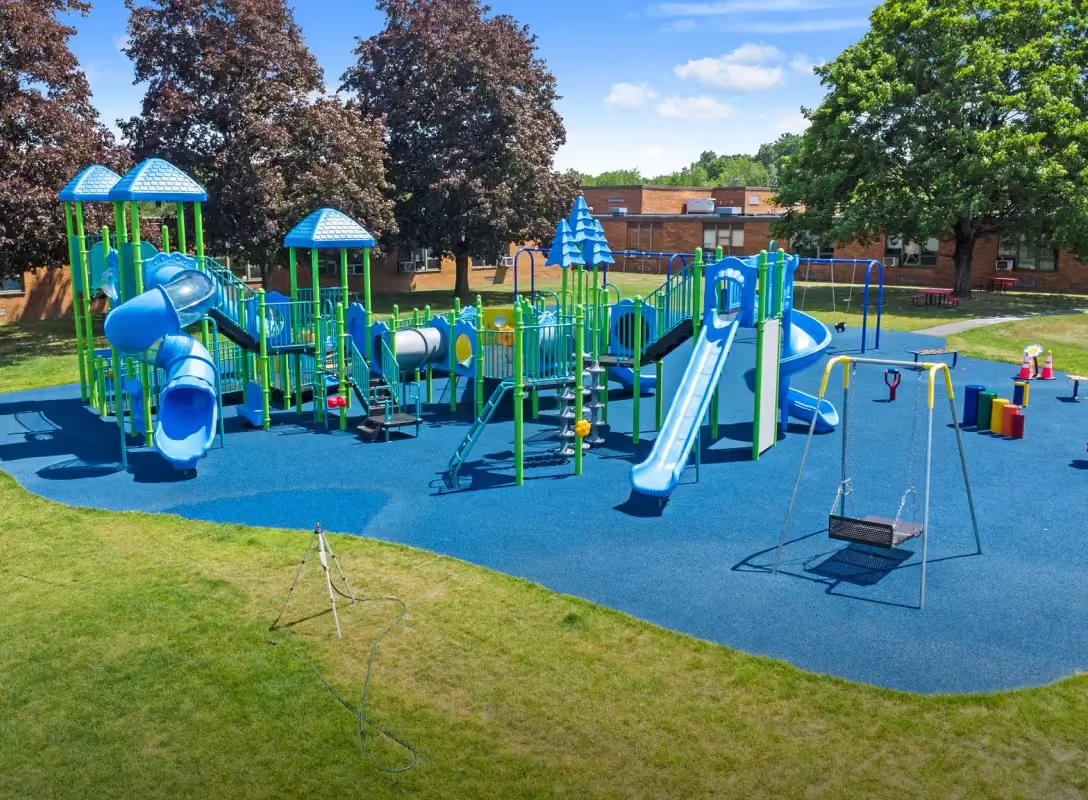
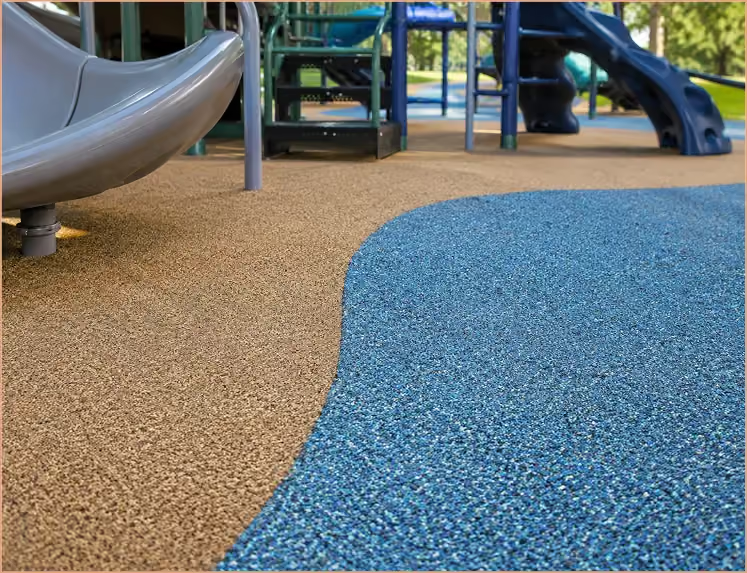
Once the site is understood, safety planning gets specific: use zones sized correctly around each piece of equipment, fall-height ratings matched to appropriate surfacing depth and material, and clear separation between toddler areas and structures built for older, faster-moving kids. Sightlines matter just as much as spacing — a caregiver sitting on a bench should be able to see the whole area their child is playing in, not just the piece of equipment closest to them. Entrapment points, pinch hazards, and equipment spacing all get reviewed against current safety guidelines before a single footing is poured, not after.
A well-planned playground doesn't just meet a checklist — it feels obviously safe to the parents standing at the edge of it. If you're at the early stages of a commercial playground project, our design team can walk your site with you and turn that first conversation into a plan that holds up through construction and beyond.
Our Other Blog
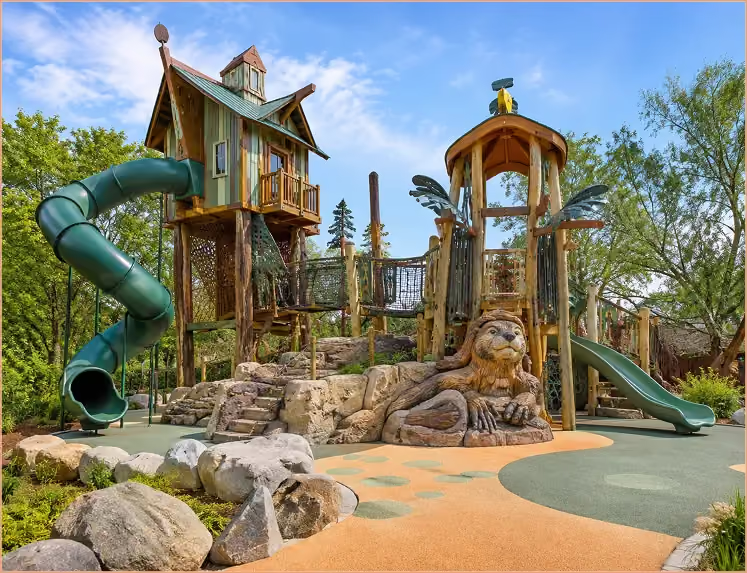
The ground under a playground does as much safety work as the equipment above it. Here's why surfacing choice and depth matter as much as anything else.
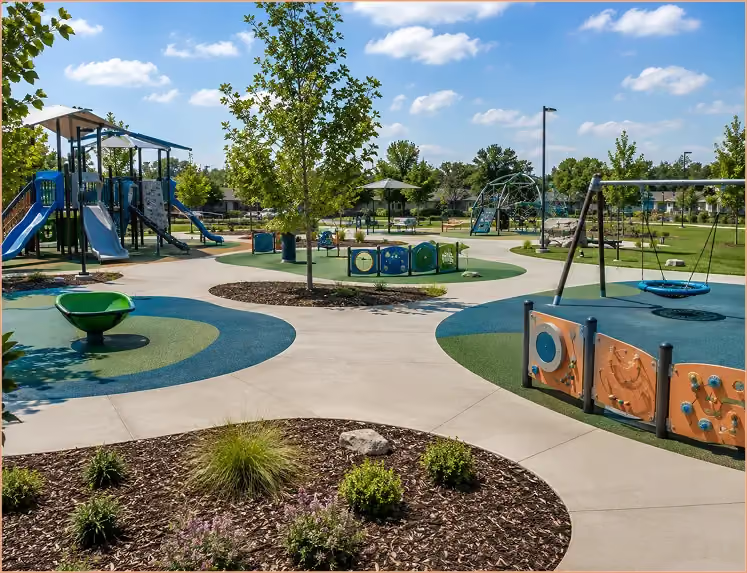
Great playgrounds are built zone by zone. Learn how to match equipment to age groups, activity levels, and site constraints so every corner of your property gets used.
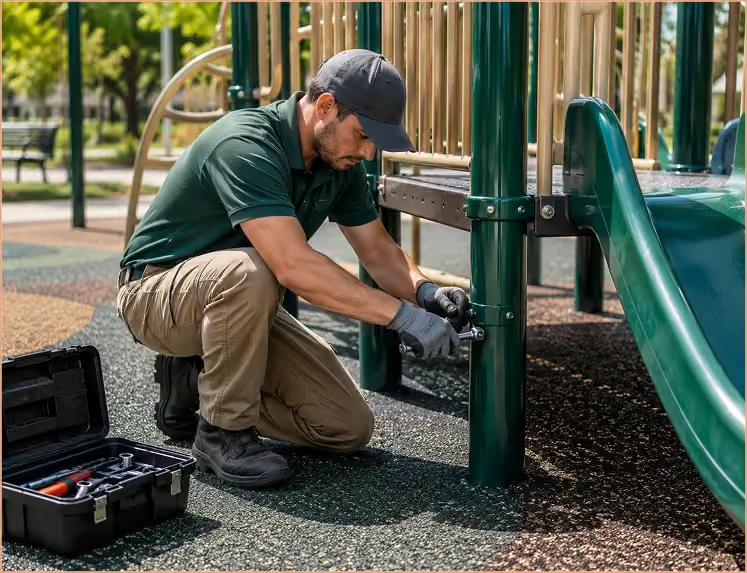
A great park is more than equipment. Discover the design choices that turn outdoor amenity spaces into destinations your whole community chooses to use.




.svg)